MOBILE API LOAD TESTING

Mobile API load testing for synchronized app wakeups, retries, and version skew.

Mobile traffic has patterns desktop benchmarks often miss. Apps resume after being idle, refresh tokens, synchronize feeds, upload telemetry, retry after network loss, poll for updates, and keep older client versions in circulation. A mobile API test reproduces those backend patterns directly so the service is ready for notifications, launches, and synchronized app activity.

FREE TO START · APP BACKENDS · Resume bursts · Sync · Token refresh · Retries · Version skew
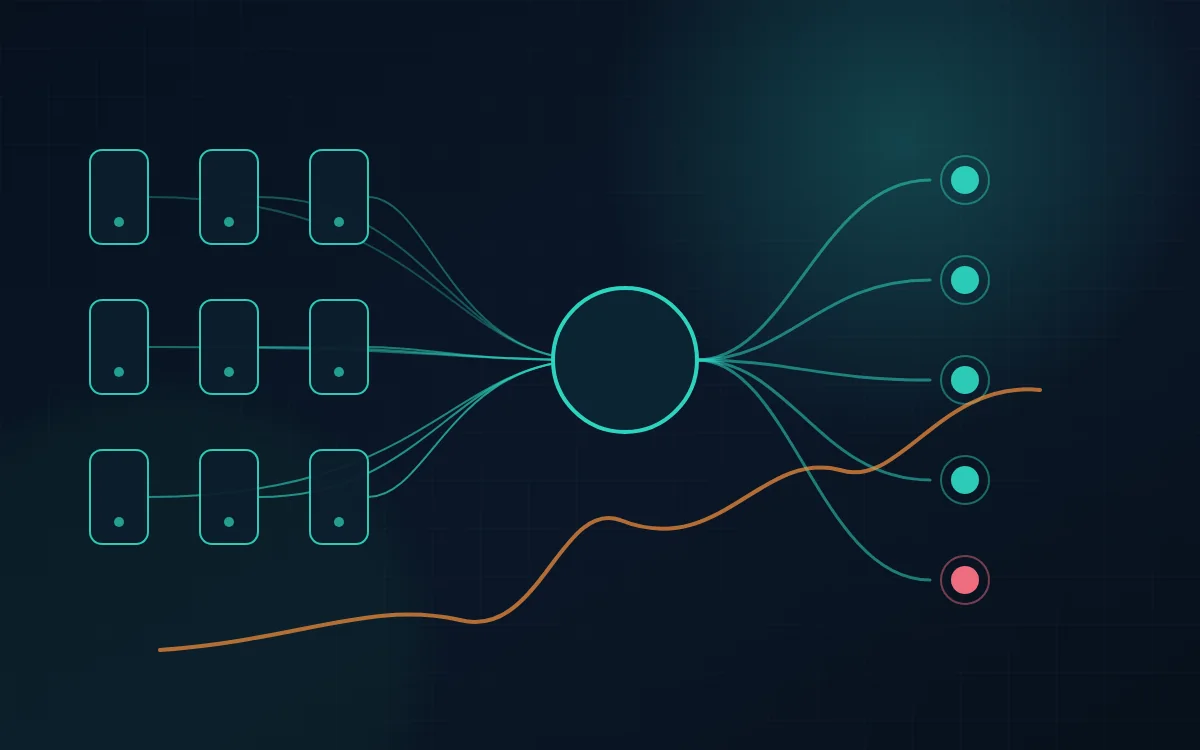
Synchronized mobile clients waking up and creating a burst against an API backend.
TEST DESIGN

Mobile traffic is shaped by app lifecycle events

01Resume

Many devices wake and refresh at the same moment.

02Sync

Feeds, configuration, badges, and state refresh together.

03Retry

Weak networks turn one user action into repeated backend work.

PRACTICAL TEST ASSET

Model the app lifecycle events that synchronize thousands of otherwise independent users

Mobile traffic is often bursty because apps resume, refresh tokens, sync feeds, and retry after connectivity changes at similar moments.

Include foreground/resume bursts rather than only steady background polling.
Model token refresh separately from ordinary authenticated API calls.
Represent multiple app versions when older clients use different endpoints or payloads.
Add bounded retry behavior for weak/interrupted networks; avoid infinite retry loops in the test.
Test sync/update endpoints that many clients hit after push notifications or releases.
Track request amplification per user so a retry storm is visible as a workload problem, not only backend saturation.

Averages hide the synchronized behavior that makes app backends spike.

Push notifications, live events, app launches, and morning routines can cause many devices to perform the same network work in a short period. The test should capture that synchronization and the client-version mix the backend still supports.

01 · FOCUS

Model foreground-resume bursts

Many apps issue several calls immediately after resume: token validation, configuration, feed refresh, unread counts, experiments, and telemetry. Bundle the cluster into the user flow instead of testing each endpoint independently.

02 · FOCUS

Include token refresh behavior

Expired or near-expiry sessions can create authentication load alongside ordinary API demand. A notification after a long idle period may synchronize token refreshes across a large audience.

03 · FOCUS

Represent network-triggered retries

Mobile clients retry when connections switch between Wi-Fi and cellular or when requests time out. Use the client’s real backoff in dedicated scenarios so retry amplification is understood.

04 · FOCUS

Account for client version skew

Older app versions may call different endpoints, send different payloads, or make less efficient request sequences. Weight traffic across versions that still have meaningful production usage.

05 · FOCUS

Test polling and background refresh

A small per-device polling rate becomes large backend traffic at fleet scale. Verify aggregate rate, jitter, and whether clients synchronize around the same minute or event.

06 · FOCUS

Watch tail latency because clients react to it

Backend slowness can keep radios active longer or trigger retries. p95 and p99 therefore affect both server health and mobile experience, not just benchmark aesthetics.

Turn mobile behavior into an HTTP workload you can replay.

Capture the network sequence from representative app sessions, then model fleet-scale timing without needing thousands of physical devices.

01

Capture key request sequences

Identify launch, resume, login, refresh, sync, upload, and background paths from telemetry or network traces.

02

Group calls into sessions

Preserve request order, authentication, and pauses that represent user or app behavior.

03

Add synchronized event traffic

Create a burst for notification opens, live events, or post-outage recovery where many devices act together.

04

Mix active client versions

Allocate traffic to API versions or request patterns that reflect the installed base you still support.

05

Watch retries and tail latency

Confirm slower responses do not trigger client behavior that increases traffic and prolongs the backend event.

Model mobile API load around sessions, network retries, versions, and bursty foreground activity

Mobile clients generate backend load in patterns that desktop browser tests often miss. Apps wake from background, refresh several endpoints together, operate on unreliable networks, retry after connectivity loss, refresh tokens, and remain on older versions long after a server release. A mobile API test should reproduce those backend-visible behaviors.

Represent app sessions rather than isolated API calls

Map the network activity generated when a user launches or resumes the app: configuration, authentication refresh, feed or dashboard data, notifications, profile state, and other parallel requests. Many apps create a small fan-out burst at foreground time, so testing each endpoint independently can understate connection and dependency pressure. Build session cohorts with realistic think time and background intervals instead of continuous request loops. Include pagination and incremental sync patterns where they exist. Distinguish cold launch from warm resume because caches, tokens, and local state change which requests are sent. Measure requests per session and session-start latency as well as endpoint-level percentiles. The resulting workload should answer how many simultaneous app sessions the backend can absorb during morning peaks, notification events, or recovery from a connectivity outage.

Simulate network uncertainty through backend-visible effects

A load generator on a fast data-center network cannot reproduce every radio condition, but it can model the effects that matter to the server: longer client timeouts, abandoned connections, duplicate attempts, retries, and delayed bursts after connectivity returns. Introduce realistic pauses or retry policies around selected requests and observe whether idempotent operations remain safe. For uploads or large payloads, test interrupted and repeated attempts using the application's supported semantics. Mobile SDKs may retry automatically at the HTTP layer while application code also retries, producing more attempts than developers expect. Track logical user actions separately from network attempts where possible. The backend should remain stable when a percentage of clients experiences failure and retries, because real mobile traffic always includes some unreliable networks. This is particularly important after an outage, when many devices may reconnect and immediately synchronize pending work.

Include token refresh, push events, and client-version diversity

Mobile sessions are long-lived, making credential refresh and version skew significant load factors. Test a cohort whose access tokens expire near the same time and validate that refresh traffic does not overwhelm the identity path or trigger tight retry loops. If push notifications cause users or the app to fetch content, model the arrival spike created by a campaign rather than only the steady daily rate. Keep older client behavior in the scenario if meaningful percentages of users remain on previous versions; old apps may call endpoints more frequently, use larger payloads, or lack newer caching optimizations. When an API version is being retired, load testing can show the remaining capacity consumed by legacy clients during migration. Backend performance needs to accommodate the actual installed base, not only the newest client in development.

Set budgets around user-visible mobile moments

Translate API results into moments users perceive: app launch, feed refresh, search, save, upload, or checkout. A single slow dependency can extend the critical path even if individual endpoint averages look acceptable. Define percentile budgets for the APIs on those flows and a safe session-start rate for expected peaks. Include payload size because server response time and mobile transfer time interact, even if the load test primarily measures the backend. When optimizing, compare the number of successful user sessions or business actions supported within the same latency/error target, not only raw requests per second. Keep a reusable scenario for backend releases and high-risk mobile launches. It can detect when a server change disproportionately affects older clients, authenticated sessions, or bursty foreground activity before those patterns appear as poor ratings and support tickets in production.

Capture the synchronized mobile behavior behind the backend spike.

Mobile API results should keep session bursts, retries, client versions, and token behavior visible because those factors often create more backend pressure than a steady endpoint benchmark suggests.

01 · RECORD

Measure requests per foreground session

Keep the number and timing of API calls generated by cold launch, warm resume, refresh, search, upload, or other important app moments. This makes backend demand understandable in terms of user sessions and captures fan-out bursts that disappear when endpoints are benchmarked one at a time.

02 · RECORD

Count logical actions versus network attempts

Track retries separately for selected operations so poor connectivity behavior does not silently multiply backend traffic. For writes, verify idempotency or deduplication. This is especially useful when SDK-level retries and application-level retries can stack, producing more server attempts than product teams expect from one user action.

03 · RECORD

Break out client-version and auth cohorts

Where older app versions remain material, report their request rate and latency separately from the newest client. Also track token-refresh cohorts and push-notification-driven bursts. Version and session diversity can expose expensive legacy behavior or synchronized refresh patterns that a single current build in a lab never generates.

Turn fleet behavior into backend launch guardrails

Express safe capacity as successful foreground sessions or user actions per time window, including the retry and version mix expected in the installed base. That metric is easier to connect to notification campaigns, app launches, and outage recovery than raw API requests per second and is less likely to hide retry amplification.

For mobile teams that need backend scale without running a device farm.

LoadTester exercises the HTTP API directly, which is the right layer for validating backend capacity and traffic-shape behavior created by mobile clients. Use device or UI testing separately for rendering and handset experience while keeping high-volume backend performance checks fast and repeatable.

ResumeRequest burst
VersionsTraffic mix
RetryAmplification

Need to build the underlying API scenario?

The API load testing guide covers headers, authentication, request bodies, traffic models, thresholds, and multi-step workflows that can be adapted to mobile request sequences.

Build the mobile API scenario →

Continue from mobile traffic shape into the API, authentication, burst, or backend capacity behind it.

EDITORIAL REVIEW

What makes this mobile api load testing page earn its own search intent

The page now ties mobile load to lifecycle and retry behavior, which gives it a clear reason to exist beside generic REST/API pages.

Reviewed by

Reviewed by Kristian Razum, founder & principal engineer at LoadTester. Technical claims are framed as test-design guidance; no benchmark numbers are invented on this page.

LAST REVIEWED · 2026-08-10

Mobile API load-testing questions that capture fleet behavior without a device farm.

Do I need real phones for mobile load testing?

Not for backend capacity testing. Direct HTTP traffic can reproduce API sequences and timing created by many app sessions much more efficiently. Real devices are still useful for UI, radio, battery, rendering, and end-to-end client experience.

Why are mobile traffic spikes different?

Apps often synchronize around push notifications, live events, foreground resumes, token expiry, or recovery after connectivity loss. Many devices can send similar request clusters within seconds even when average traffic is modest.

Should older app versions be included?

Yes when they still represent meaningful production traffic and behave differently. Version skew can change endpoint mix, payload size, request count, and retry behavior, so a current-client-only benchmark may miss backend cost.

How do I model mobile retries safely?

Implement the client’s actual backoff in a dedicated scenario and cap retry counts. The purpose is to understand amplification, not create an uncontrolled retry storm. Coordinate large tests and use stop conditions.

Scale the mobile workload without scaling a room full of devices.

Replay app request sequences, add the synchronized burst, and measure the backend behavior that real clients will feel.

Start free